
Welcome
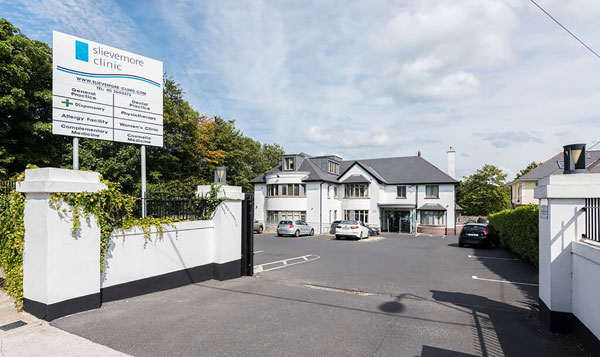
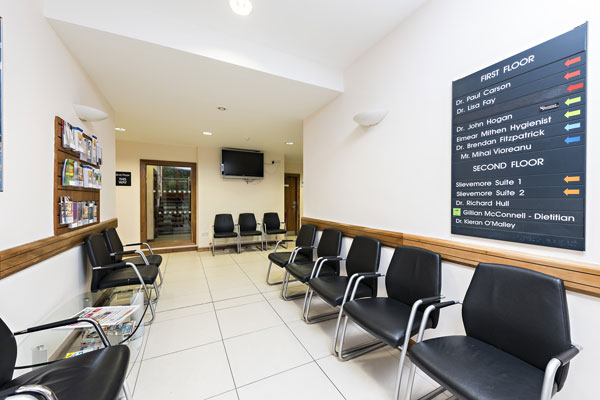
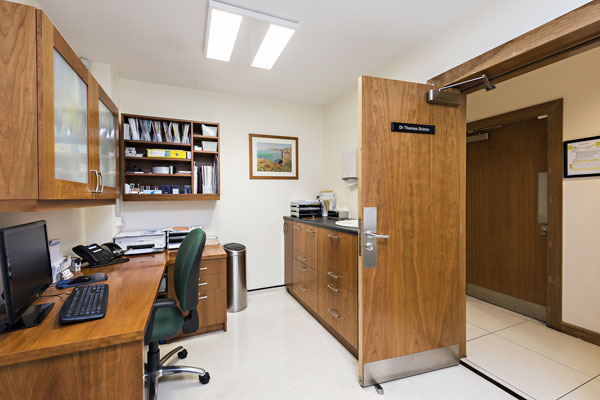
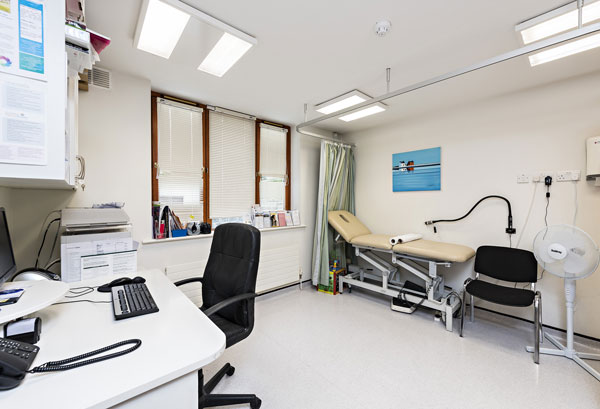
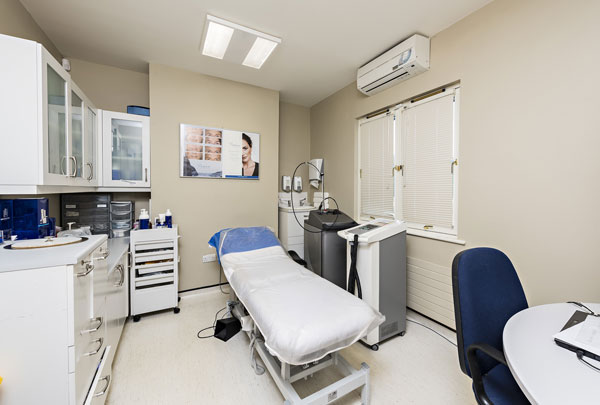
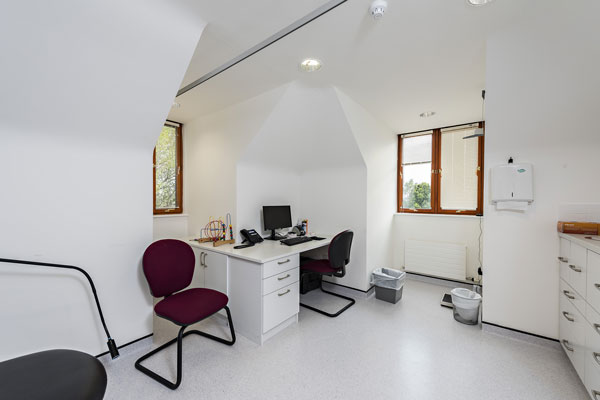
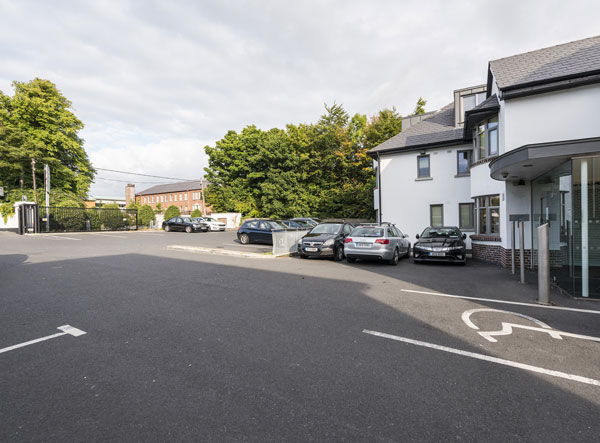
Slievemore Clinic is a modern, multi-disciplinary Medical Centre based in Stillorgan, South Dublin, incorporating an extensive range of highly qualified health professionals. We strive to provide the best possible service to all patients in a warm and friendly environment.

Medical Clinics

Slievemore GP
General Practice
Phone: 01 200 0501
Email Us

Allergy Ireland
Website: www.allergy-ireland.ie
Phone: 01 200 0500
Email us

Physio Extra
Kiera Brown
Phone: 01 200 0555
Email us
Slievemore Dental
www.slievemoredental.ie
Phone: 01 283 1000
slievemoredental@gmail.com

Dispensary
Tim Mullany
Phone: 01 200 0519
No Email
Rheumatology Clinic
Dr. Shafeeq Alraqi
Phone: 01 200 0520

Dietitian
Gillian McConnell
Phone: 085 770 8940
Email us

Podiatrist
Gillian Fox
Phone: 083 166 1531
Email us

Men’s Screening
Reception
Phone: 01 200 0501
Email Us

Acupuncture & Pilates
Kiera Brown
Phone: (01) 200 0555
Email Us
Medical Clinics
Slievemore GP
General Practice
Phone: 01 200 0501
Email Us
Allergy Ireland
Website: www.allergy-ireland.ie
Phone: 01 200 0500
Email us
Dispensary
Tim Mullany
Phone: 01 200 0519
No Email
Dietitian
Gillian McConnell
Phone: 085 770 8940
Email us
Podiatrist
Gillian Fox
Phone: 083 166 1531
Email us
Men’s Screening
General Practice
Phone: 01 200 0501
Email Us
Physio Extra
Kiera Brown
Phone: 01 200 0555
Email us
Acupuncture & Pilates
Kiera Brown
Phone: (01) 200 0555
Email Us
Slievemore Dental
www.slievemoredental.ie
Phone: 01 283 1000
slievemoredental@gmail.com
Rheumatology Clinic
Dr. Shafeeq Alraqi
Phone: 01 200 0520
Email us
Medical Clinics
Slievemore GP
General Practice
Phone: 01 200 0501
Email Us
Dispensary
Tim Mullany
Phone: 01 200 0519
No Email
Men’s Screening
General Practice
Phone: 01 200 0501
Email Us
Allergy Ireland
Web: www.allergy-ireland.ie
Phone: 01 200 0500
Email us
Rheumatology Clinic
Dr. Shafeeq Alraqi
Phone: 01 200 0520
No Email
Podiatrist
Gillian Fox
Phone: 083 166 1531
Email us
Slievemore Dental
www.slievemoredental.ie
Phone: 01 283 1000
slievemoredental@gmail.com
Dietitian
Gillian McConnell
Phone: 085 770 8940
Email us
Key Benefits
Slievemore Clinic Medical Centre is home to a wide variety of clinics with differing expertise. You will find, that most if not all of your medical, dental and health & wellbeing needs can be met by our healthcare professional teams. Find out more about what Slievemore Clinic and its Centers of Excellence have to offer you.
Modern Facilities
Onsite Pharmacy
GP
Consultant Rheumatologist
Podiatry
Fully wheelchair accessible
Physiotherapy
Dental Practice
Dietition
Allergy Specialist
Mission Statement
Our aim is provide optimum care to each person and to treat all patients in a manner which we would wish to be treated ourselves. Our people, education, quality and integrity form the cornerstones of our medical centre.
About the Clinic
Originally opened in 1997 by Dr. Conor O’Toole and Dr. Paul Carson, the clinic expanded in 2007 to provide a comprehensive range of medical and dental services.See our clinics for the range of services that the clinic provides.

Clinic Opening Hours
Monday – Thursday: 9:00 – 17:00
Friday: 9:00 – 17:00
Saturday: 10:00 – 14:00